
Kala Namak (Black Salt)
Kala namak, black salt in English, is a salt from India and Pakistan that is pinkish grey when ground.1,2,3,4 Its sulfur aroma recalls boiled egg.1,2,3
Also known as Black salt, Sanchal
Kala namak is a salt from India and Pakistan that consists mostly of common salt and smells of egg because of its sulfur compounds.1,2,5,6 The name is Hindi for “black salt”, but the salt is reddish brown to dark violet, and pinkish grey to pink when ground, coloured mainly by iron.1,2,3,4,5,7 Traditionally, rock salt is heated for several hours with charcoal and harad, the fruit of the Terminalia chebula tree; today salt is often mixed with sulfates instead.1,2,8 In India it seasons fruit salads, chutneys, raitas and chaat masala; in Germany it is used above all in vegan dishes, to which it gives the taste of boiled egg.1,2,3,6 Black salt contains hydrogen sulfide; in 2003 Germany's Federal Institute for Risk Assessment found no health risk in normal use in Indian cooking, where it is used very sparingly.2,3
What is kala namak used for?
In India it goes into chutneys, raitas, fruit salads and chaat masala; in Germany it is mostly used for vegan dishes with an egg flavour, such as scrambled egg made from tofu or chickpea flour. Use only a little, or the sulfurous taste quickly becomes too strong.1,2,3,6,9
What can I use instead of kala namak?
There is no equal substitute for the egg flavour; the German retailer REWE calls kala namak the most important ingredient in vegan scrambled egg. According to Utopia, nutritional yeast seasons in a similar way but does not taste as much of egg.2,9
How do you buy and store black salt?
Whether it was made with harad or from common salt and sulfates is not always on the pack, and black volcanic salt from Hawaii is something else that does not taste of egg. Black salt absorbs moisture and forms lumps, so keep it airtight and dry.2,4,6
Related products in our shop
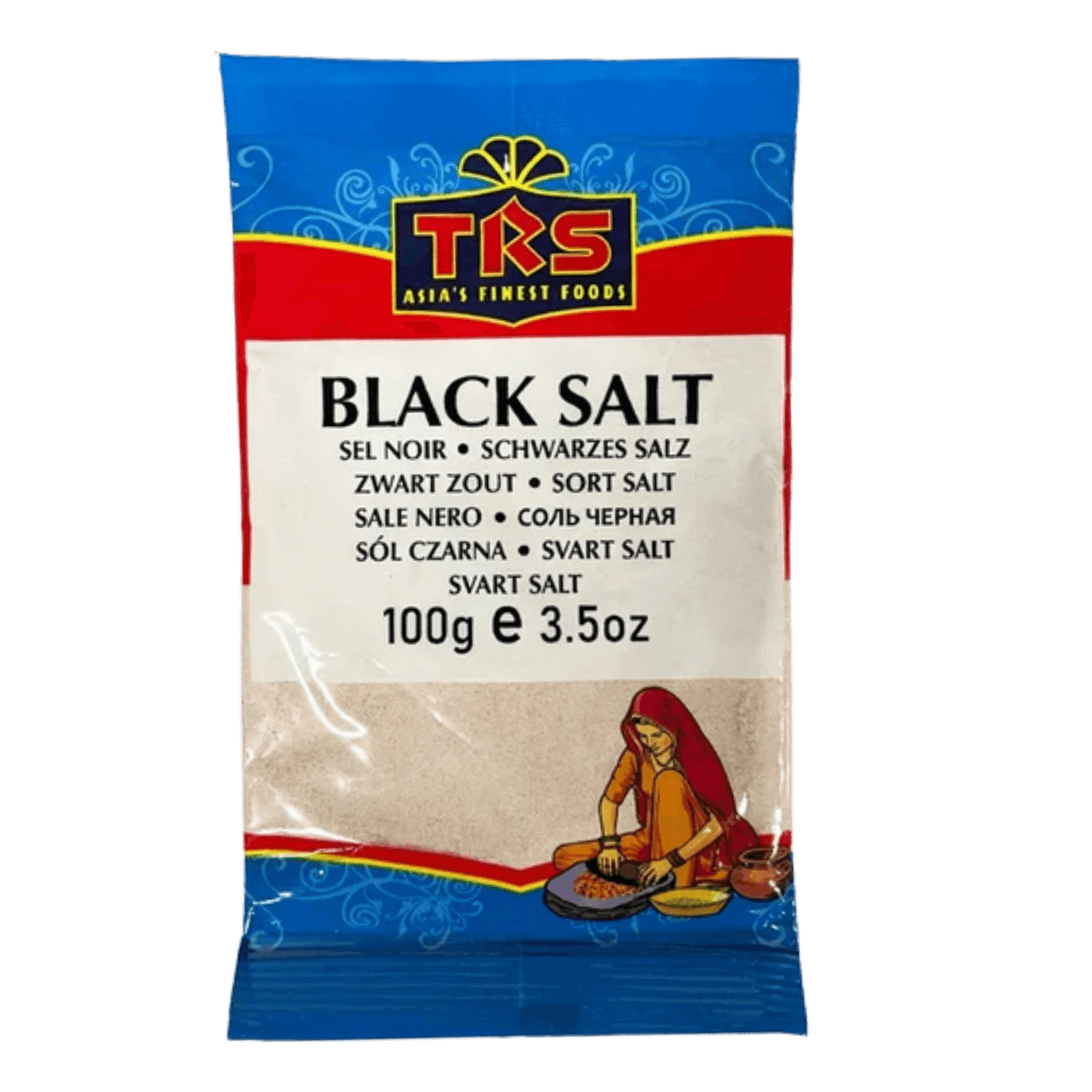 TRSTRS Black Salt (Kala Namak)€2.99 · 100 g · €29.90 per kg
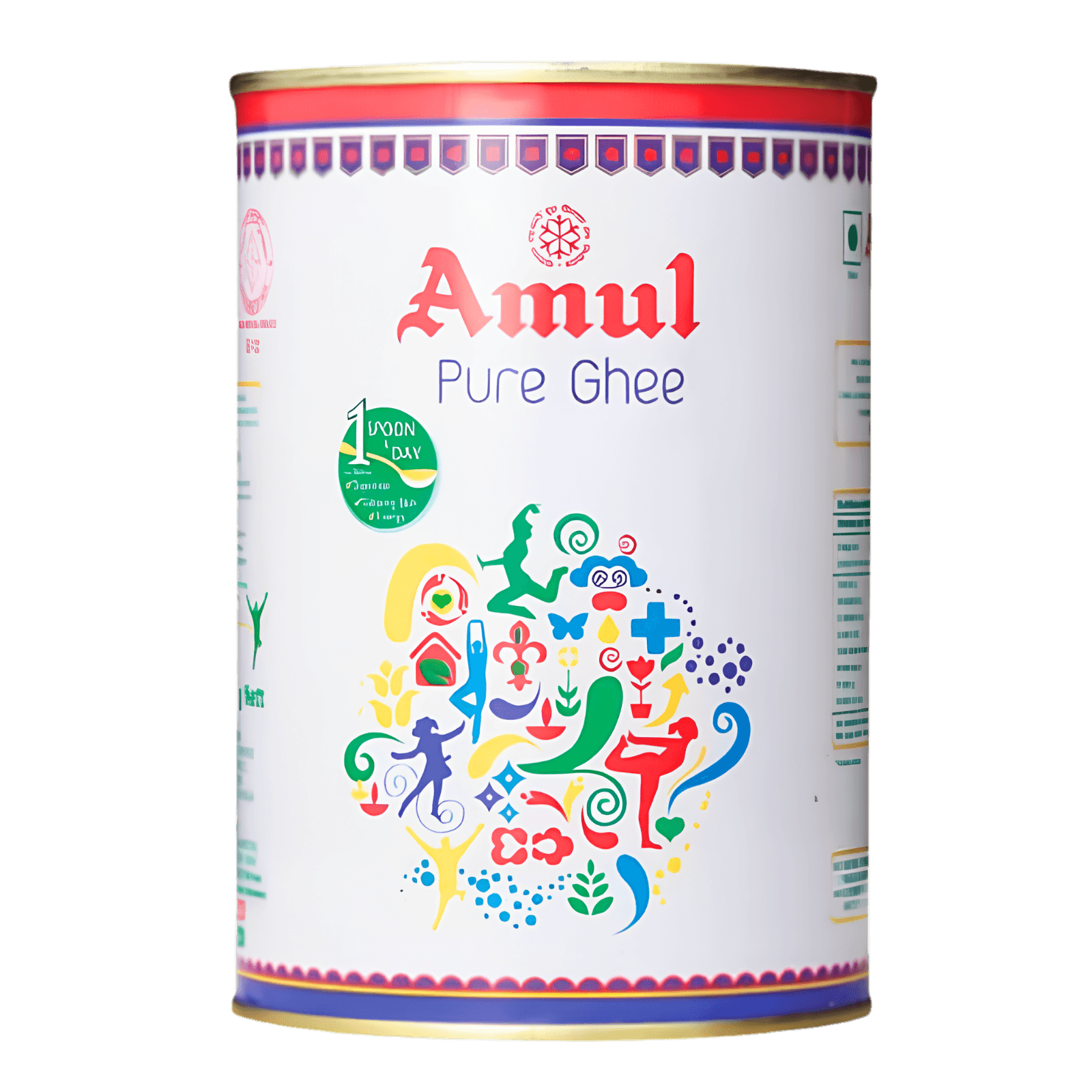 AmulAmul Clarified Butter (Ghee)€25.99 · 1 kg · €25.99 per kg
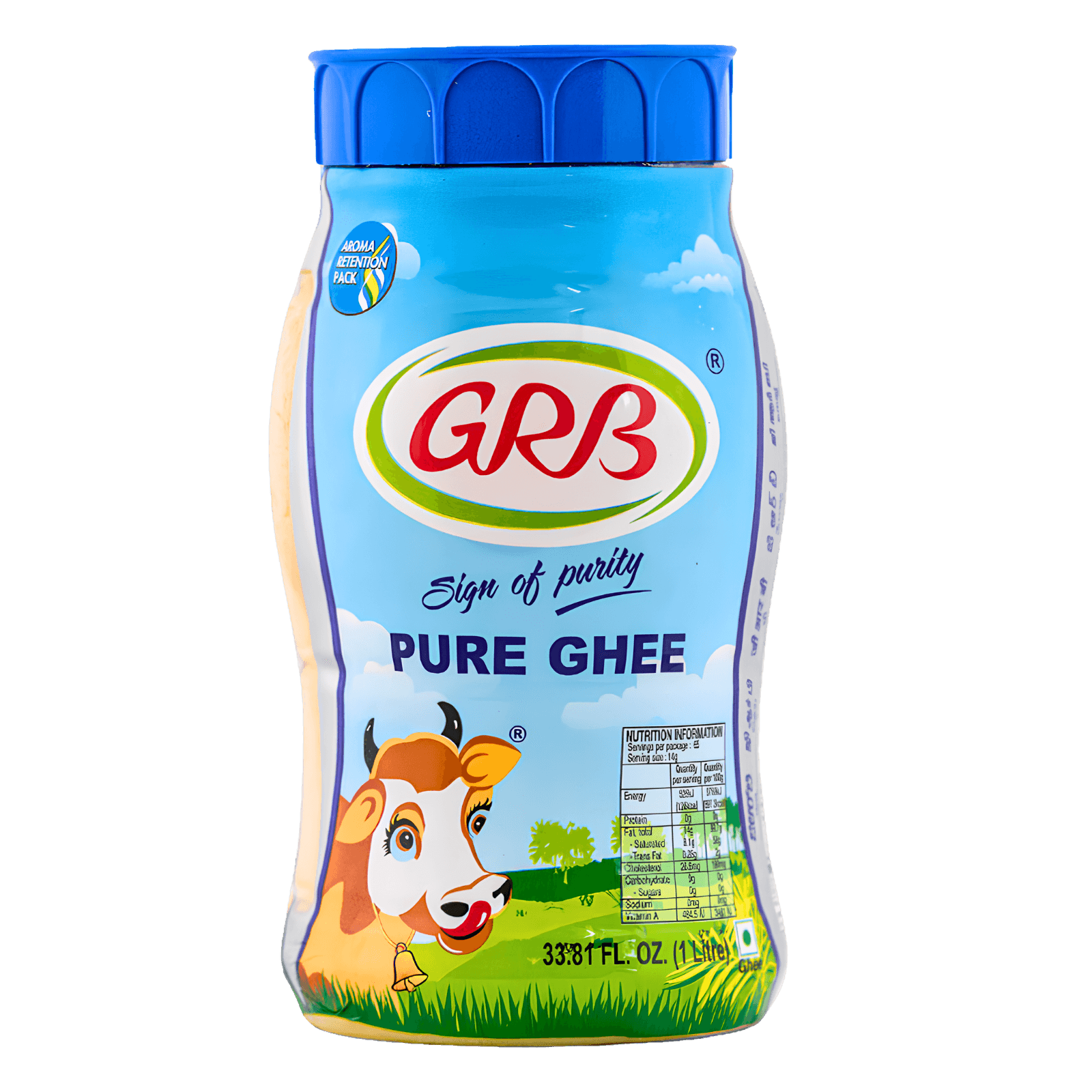 GRBGRB Clarified Butter (Ghee)€13.99 · 1 l · €13.99 per l
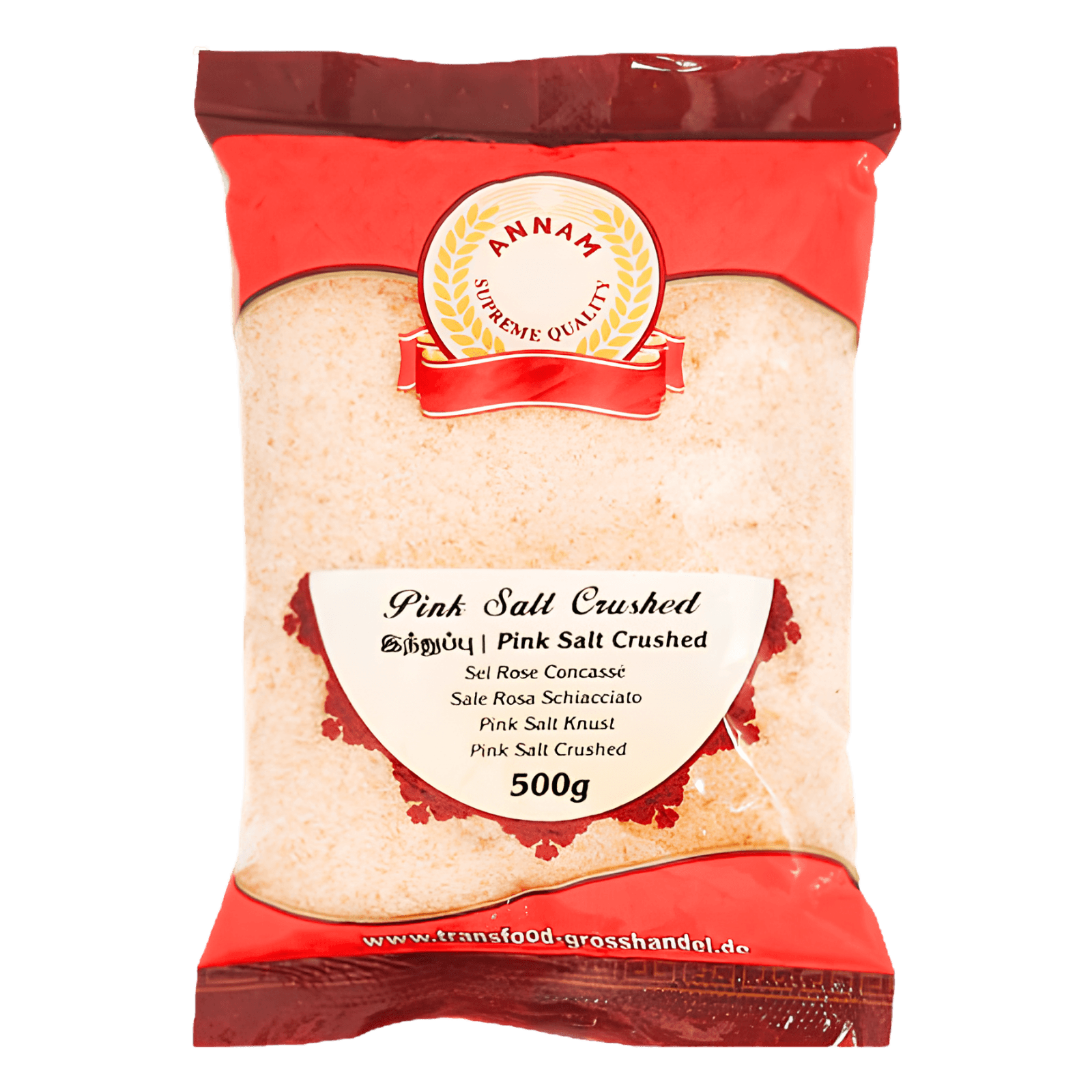 AnnamAnnam Pink Himalayan Salt, Crushed€1.99 · 500 g · €3.98 per kg
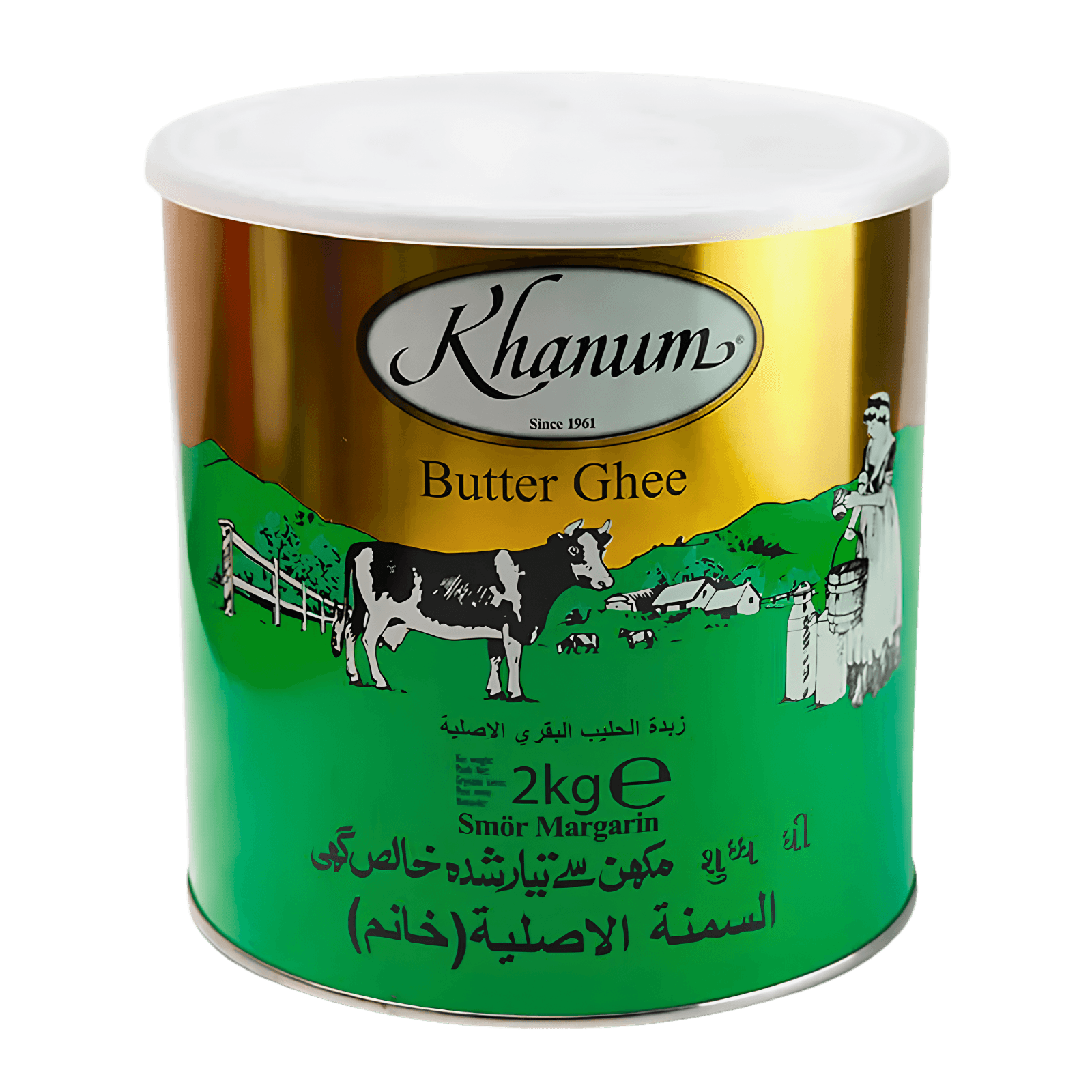 KhanumKhanum Clarified Butter (Ghee)€11.99 · 500 g · €23.98 per kg
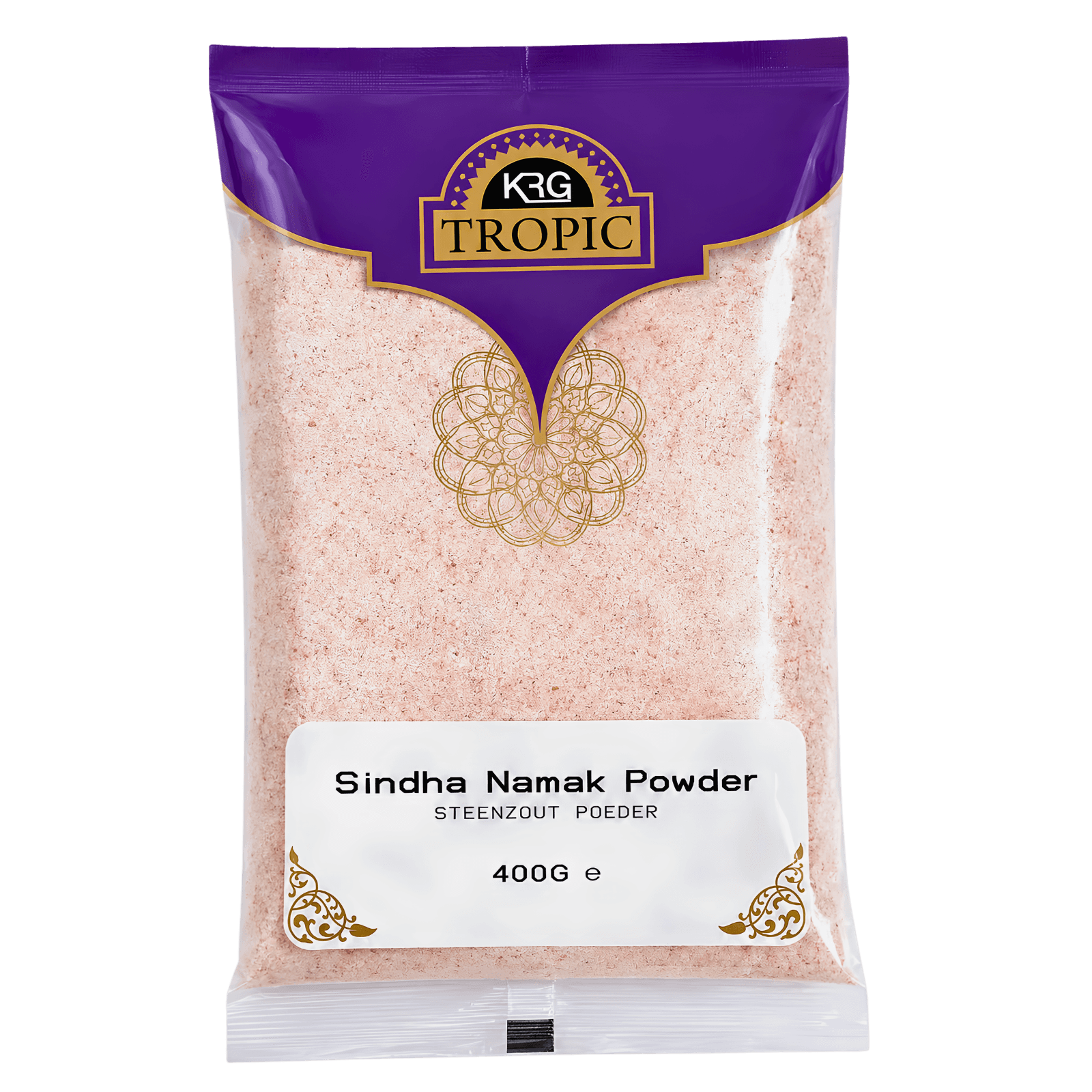 KRGKRG Rock Salt, Ground (Sindha Namak)€2.49 · 100 g · €24.90 per kg
All prices incl. VAT, plus €4.90 shipping, free for orders from €49.00.
Sources
- REWE Markt GmbH. (n.d.). Kala Namak - das würzige Schwarze Salz. REWE Gewürzlexikon. Retrieved October 12, 2026.
- UTOPIA GmbH. (2026). Kala Namak: Deshalb ist es in der veganen Küche beliebt. Utopia.de.
- Bundesinstitut für Risikobewertung. (2003). Vorkommen von Schwefelwasserstoff in „Schwarzsalz“: Stellungnahme des BfR vom 25. August 2003.
- Indian Culture: TRS Black Salt (Kala Namak): ingredients and storage on the pack.
- Platts, J. T. (1884). kālā. In A dictionary of Urdu, classical Hindi, and English. W. H. Allen & Co.
- Dalal, T. (2025). What is black salt (sanchal, kala namak)? Tarladalal.com.
- Oxford University Press. (n.d.). namak. In Oxford Advanced Learner's Dictionary. Retrieved October 12, 2026.
- Platts, J. T. (1884). pād. In A dictionary of Urdu, classical Hindi, and English. W. H. Allen & Co.
- REWE Markt GmbH. (n.d.). Veganes Rührei – Rezepte & Tipps. REWE. Retrieved October 12, 2026.
Cite this entry
MLA
“Kala Namak (Black Salt).” Indian Culture Glossary, Indian Culture, https://www.indian-culture.de/en/glossar/kala-namak.
Chicago
Indian Culture Glossary, s.v. “Kala Namak (Black Salt),” https://www.indian-culture.de/en/glossar/kala-namak.
APA
Indian Culture. (n.d.). Kala Namak (Black Salt). In Indian Culture glossary. https://www.indian-culture.de/en/glossar/kala-namak