
Chapati
Chapati, auch Phulka, ist ein dünnes, ungesäuertes Fladenbrot aus Atta, dem Weizenvollkornmehl.1,2,3,4 Es wird auf der Tava gebacken und über der Flamme aufgebläht.1,2,5
Auch bekannt als Phulka
Chapati ist ein dünnes, rundes Fladenbrot ohne Hefe, gebacken aus Atta, dem Weizenvollkornmehl, und Wasser, oft mit etwas Salz.1,2,3,6,7 Roti ist in Indien das allgemeine Wort für Brot; mancherorts heißt auch das Chapati einfach Roti.1,2,6,8 Den Teig lässt man ruhen, rollt ihn dünn aus und backt ihn ohne Fett auf der Tava, einer Backplatte aus Eisen.1,2,9,10,11 Zum Schluss hält man es oft über die offene Flamme: Der Dampf im Teig bläht es auf, und es wird weich; so gebacken heißt es auch Phulka, aufgebläht.1,2,4,5 Ein gutes Chapati ist hell mit braunen Flecken und wird frisch gegessen.9,11 In vielen Haushalten Nordindiens und Pakistans backt man es täglich und isst es zu Dal, Gemüse und Currys.1,2,10,11 Atta im Sortiment, etwa von Aashirvaad, Annam und Heer, ist laut Packung Weizenvollkornmehl.12,13,14
Welches Mehl nimmt man für Chapati?
Atta, Weizenvollkornmehl aus dem ganzen Korn, im Handel auch Chapati-Mehl genannt. Im Sortiment heißen die Atta von Annam, Heer und Pillsbury Chakki Atta, nach der Chakki, einer Scheibenmühle.1,2,3,13,14,15,16,17
Was bedeutet Chapati?
Das Wort kommt über Hindi capātī aus dem Sanskrit carpaṭī, dünner Fladen, und carpaṭa, flach. Traditionell klatscht man den Teig zwischen den Handflächen flach.2,3,9,10,18,19
Rezepte mit Chapati
Verwandte Produkte in unserem Shop
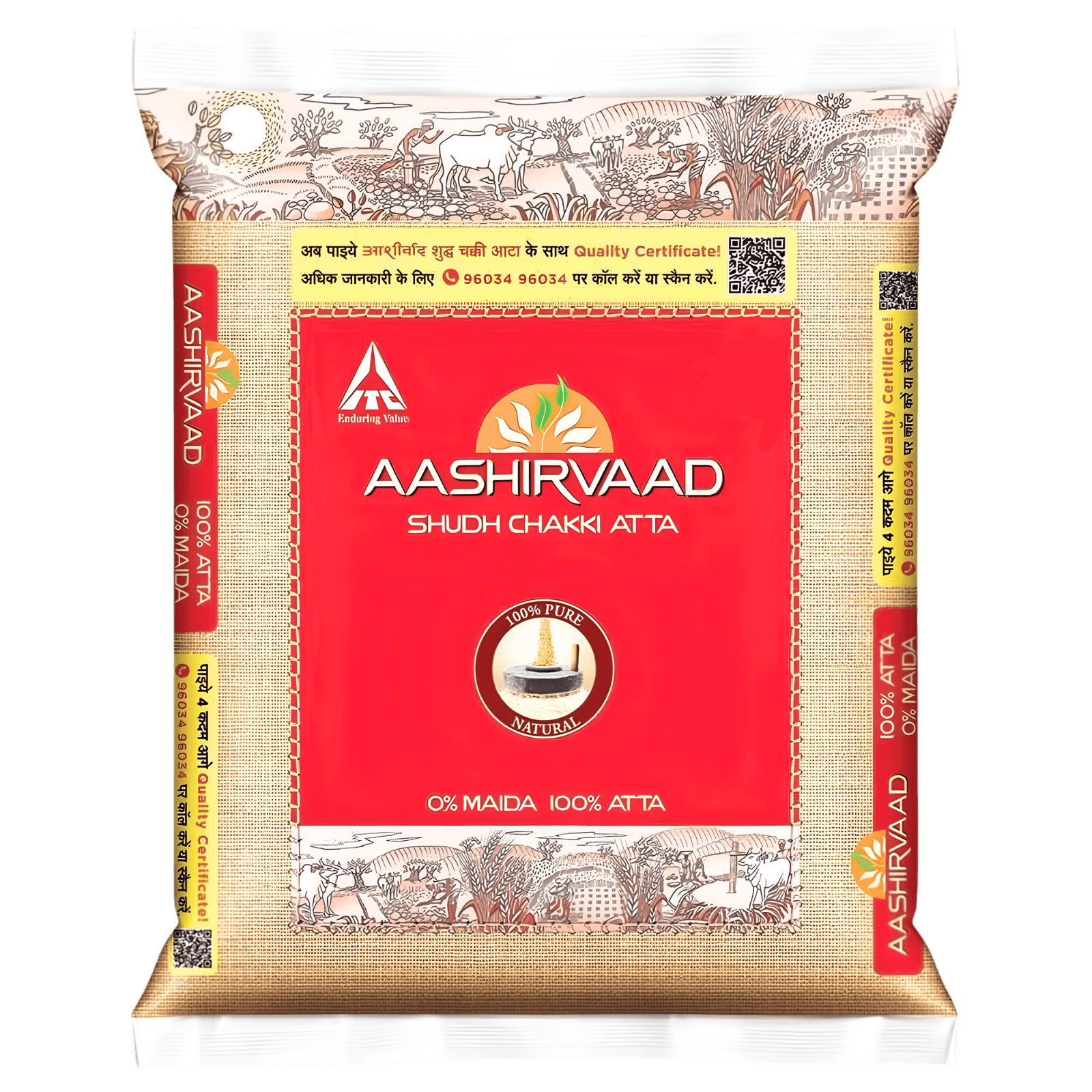 AashirvaadAashirvaad Vollkornweizenmehl (Atta)12,49 € · 5 kg · 2,50 € je kg
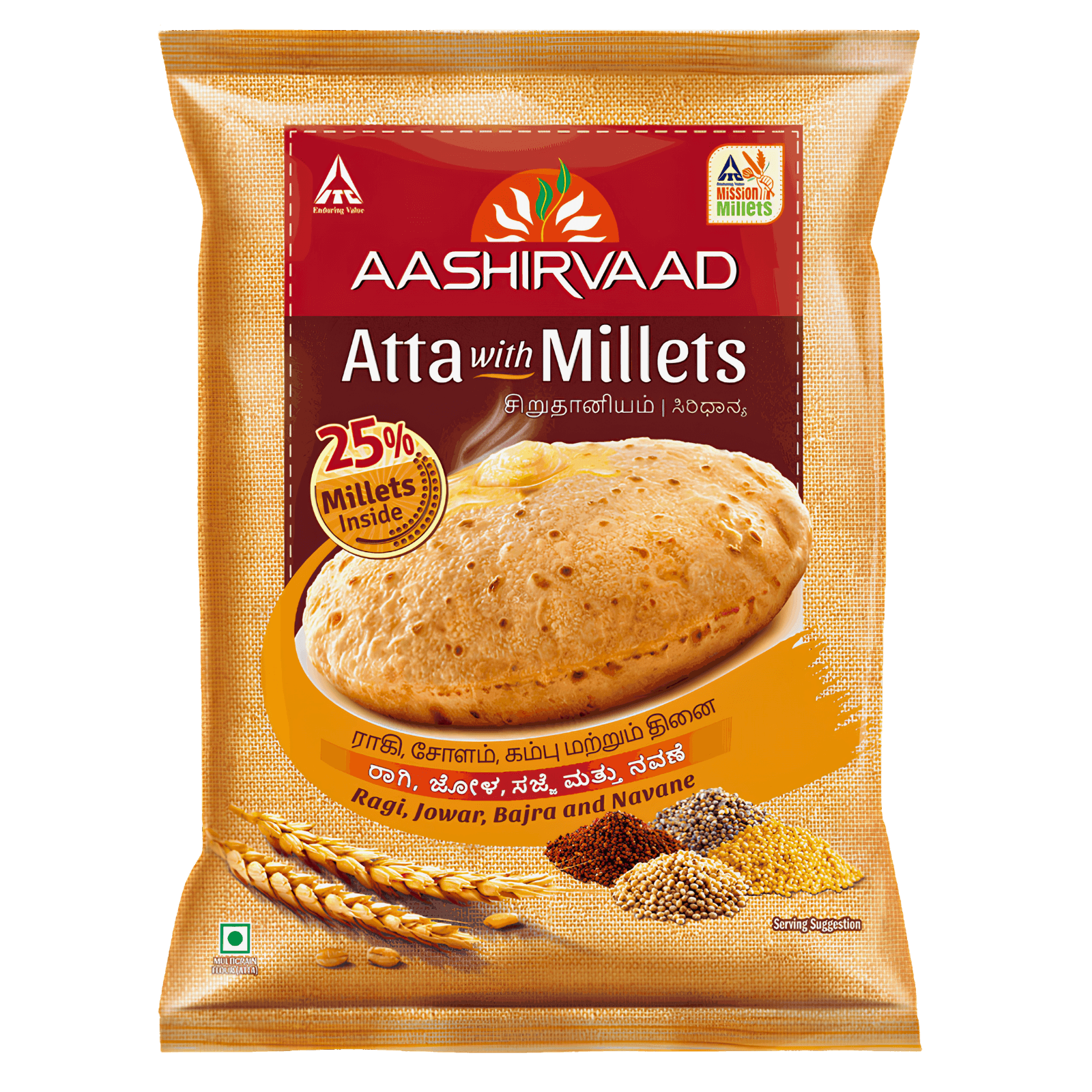 AashirvaadAashirvaad Weizenmehl mit Hirse (Atta with Millets)6,99 € · 2,2 kg · 3,18 € je kg
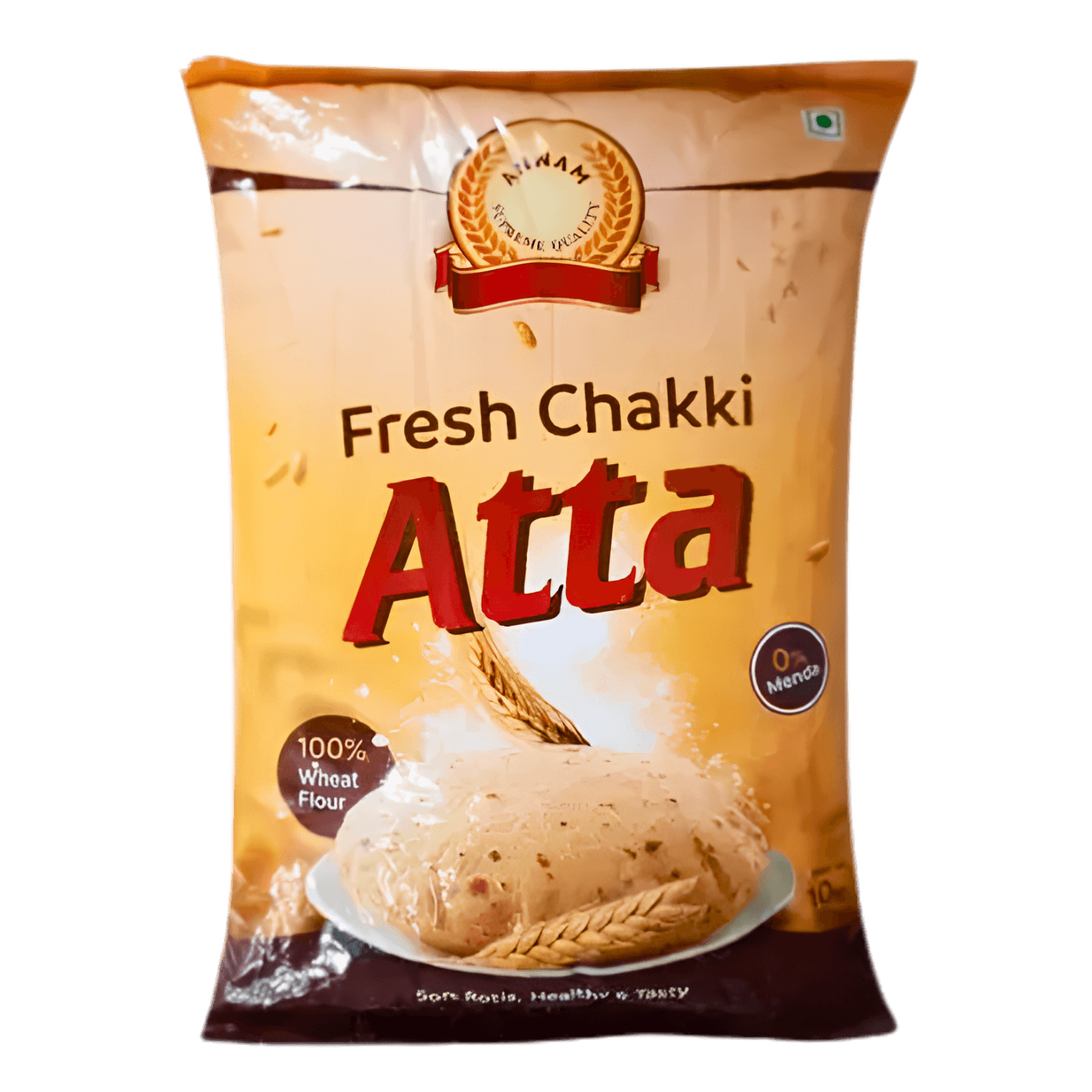 AnnamAnnam Steingemahlenes Vollkornweizenmehl (Chakki Atta)19,99 € · 10 kg · 2,00 € je kg
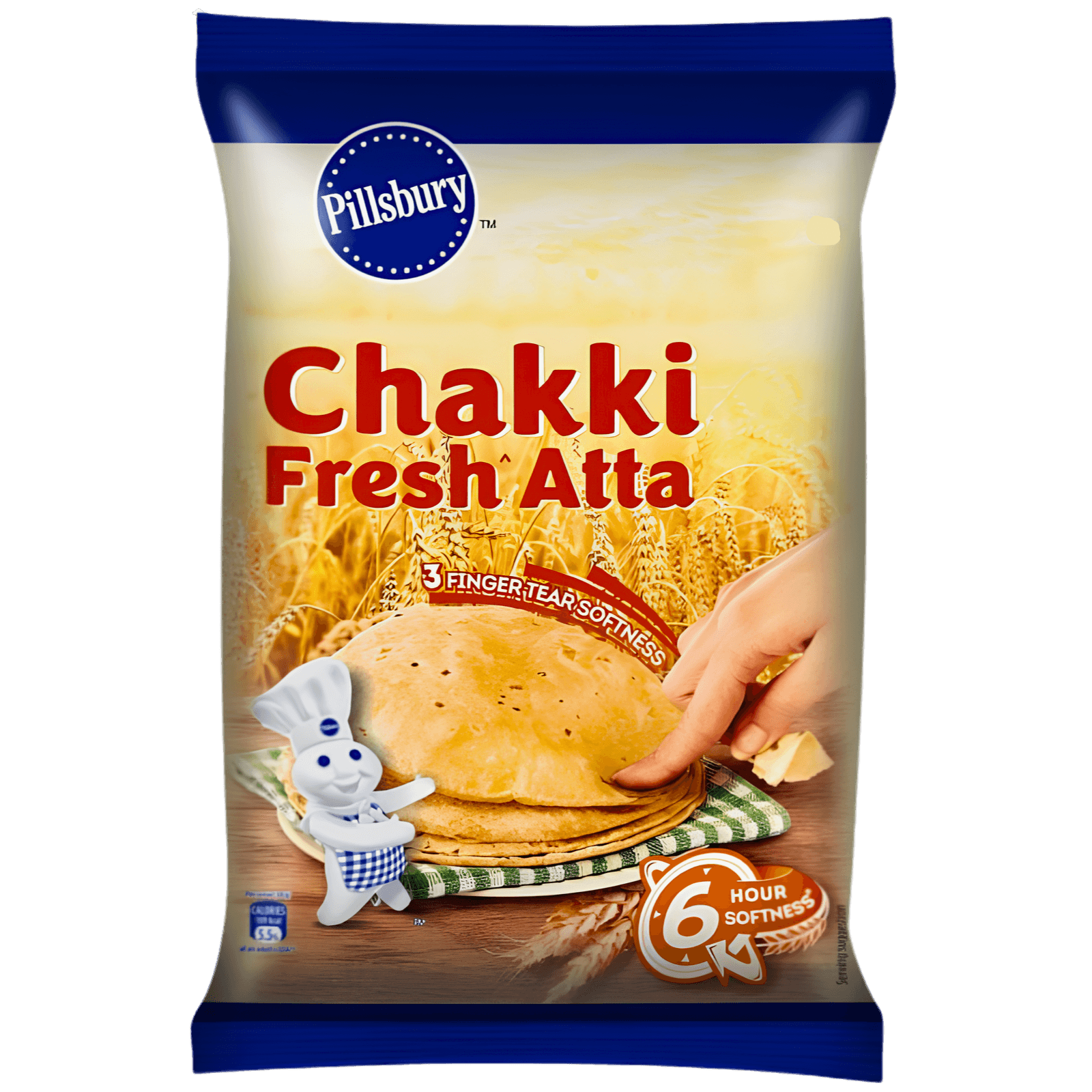 PillsburyPillsbury Steingemahlenes Vollkornweizenmehl (Chakki Fresh Atta)13,99 € · 5 kg · 2,80 € je kg
 TRSTRS Kichererbsenmehl (Besan)4,49 € · 1 kg · 4,49 € je kg
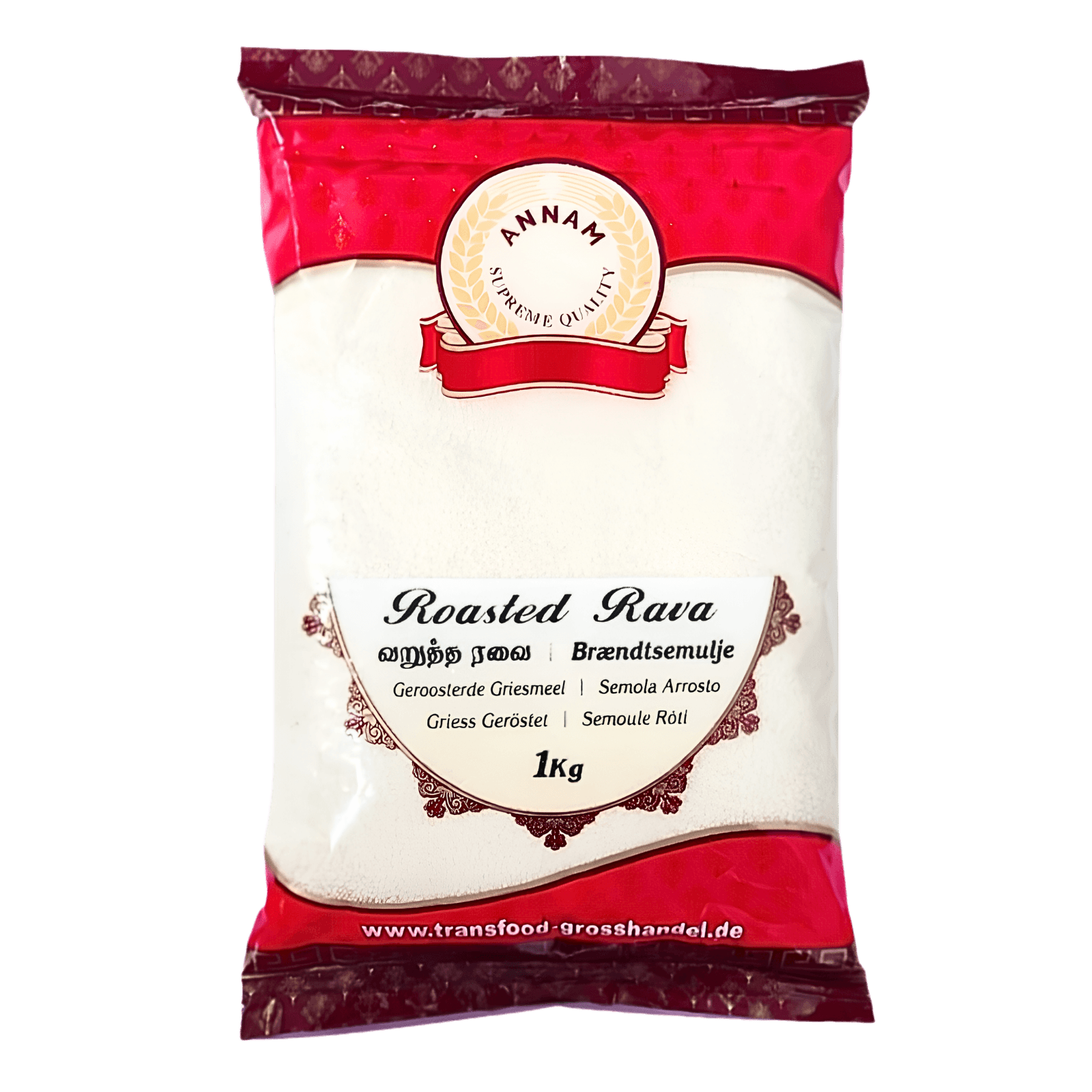 AnnamAnnam Gerösteter Hartweizengrieß (Roasted Rawa)4,99 € · 1 kg · 4,99 € je kg
Alle Preise inkl. MwSt., zzgl. Versand 4,90 €, ab 49,00 € Bestellwert versandkostenfrei.
Quellen
- Davidson, A. (2014). chapati. In The Oxford Companion to Food. Oxford University Press.
- Castro, M. (2023). chapati. In Encyclopaedia Britannica.
- Merriam-Webster. (o. J.). chapati. In Merriam-Webster.com Dictionary. Abgerufen am 6. Oktober 2026.
- McGregor, R. S. (o. J.). phulkā. In The Oxford Hindi-English Dictionary (S. 685). Digital Dictionaries of South Asia, University of Chicago. Abgerufen am 6. Oktober 2026.
- Panghal, A., Khatkar, B. S., Yadav, D. N. & Chhikara, N. (2019). Effect of finger millet on nutritional, rheological, and pasting profile of whole wheat flat bread (chapatti). Cereal Chemistry, 96, 86–94. DOI: 10.1002/cche.10111
- Alford, J. & Duguid, N. (2005). chapati. In Mangoes & Curry Leaves.
- Baljekar, M. (2017). Chapatis. In The Complete Indian Regional Cookbook.
- Davidson, A. (2014). roti. In The Oxford Companion to Food. Oxford University Press.
- Wright, J., Treuille, E. & Le Cordon Bleu. (1996). Making chapatis. In Le Cordon Bleu Complete Cooking Techniques.
- Yule, H. (1903). Chupatty. In Hobson-Jobson (S. 219). Digital Dictionaries of South Asia, University of Chicago.
- Yousaf, S., Arif, S., Akbar, Q. U. A., Iqbal, H. M. & Khurshid, S. (2020). Textural properties of chapatti from different wheat varieties flour. SN Applied Sciences, 2(4), 711. DOI: 10.1007/s42452-020-2532-7
- Indian Culture: Aashirvaad Vollkornweizenmehl (Atta).
- Indian Culture: Annam Steingemahlenes Vollkornweizenmehl (Chakki Atta).
- Indian Culture: Heer Steingemahlenes Vollkornweizenmehl (Chakki Atta).
- Food Safety and Standards Authority of India. (2025). Chapter 2: Food Product Standards, 2.4 Cereals and Cereal Products.
- Indian Culture: Pillsbury Steingemahlenes Vollkornweizenmehl (Chakki Fresh Atta).
- Haridas Rao, P., Leelavathi, K. & Shurpalekar, S. R. (1983). Comparative studies on atta (whole wheat flour) and resultant atta, a by-product of roller flour milling industry. Journal of Food Science and Technology, 20(1), 5–8.
- Platts, J. T. (1884). ćapātī. In A Dictionary of Urdu, Classical Hindi, and English (S. 421). Digital Dictionaries of South Asia, University of Chicago.
- McGregor, R. S. (o. J.). capātī. In The Oxford Hindi-English Dictionary (S. 302). Digital Dictionaries of South Asia, University of Chicago. Abgerufen am 6. Oktober 2026.
Eintrag zitieren
„Chapati“. In: Indian Culture Glossar. <https://www.indian-culture.de/glossar/chapati>.